
This is UCG
A place to keep going.
United Club Gymnastics
Who we are.
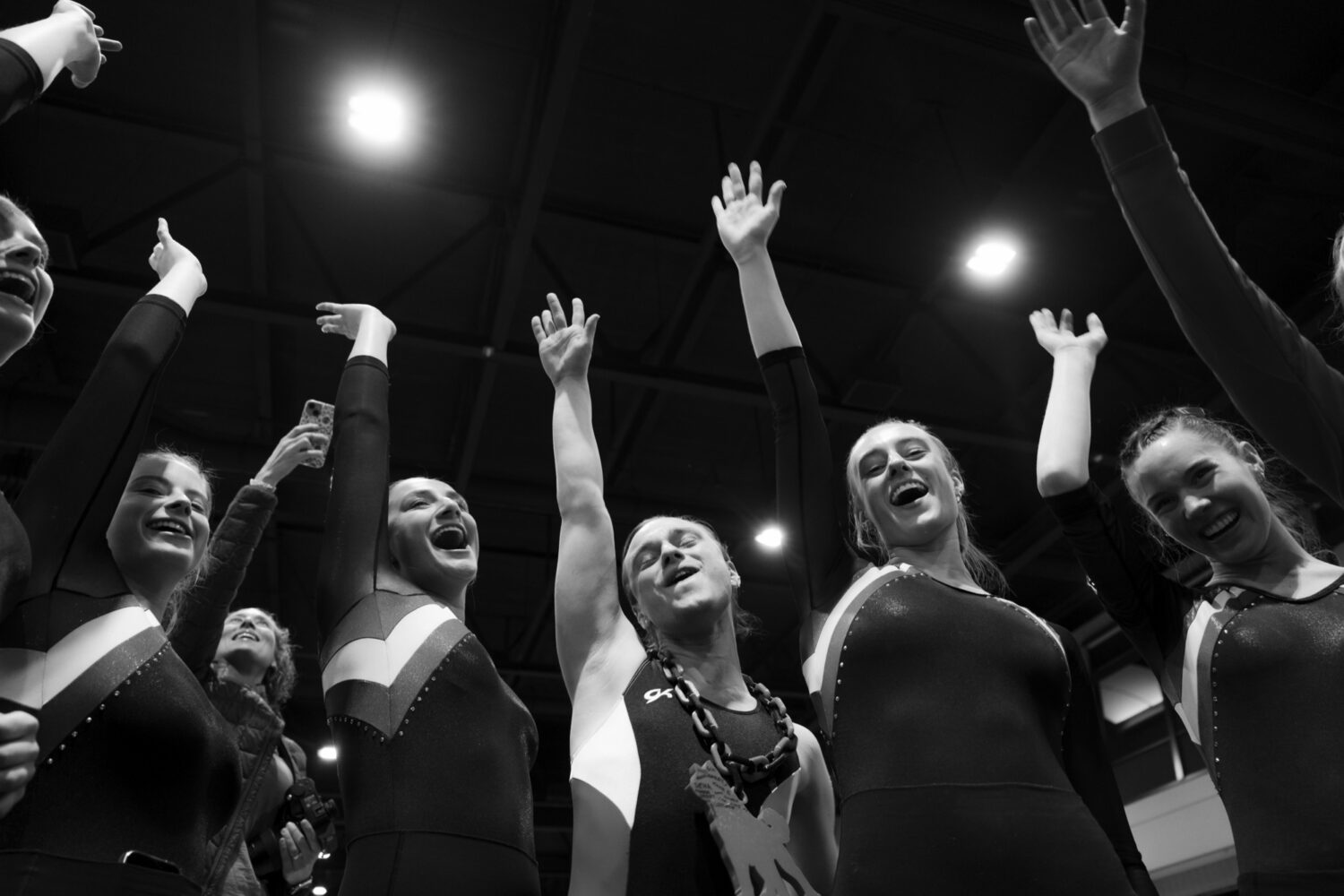
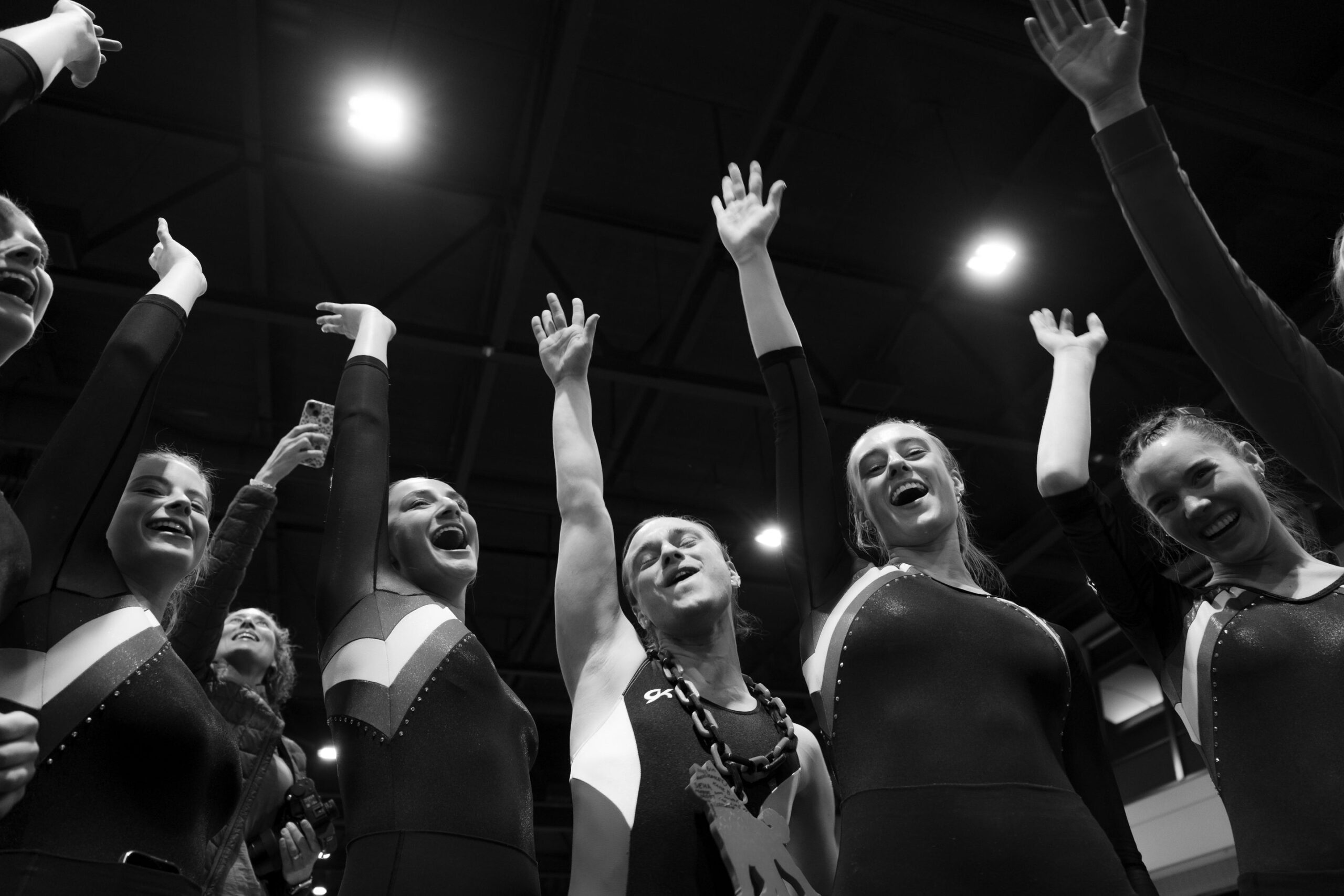
We are UCG. We create organized opportunities for gymnasts to keep participating, competing, and belonging beyond the traditional pathways of the sport. Through national events, member clubs, clear standards, and a supportive community, we help athletes stay connected to gymnastics in a way that fits their life and keeps their love of the sport alive.
United Club Gymnastics is a nonprofit organization built to support adult club gymnastics in the United States — expanding opportunities for adult gymnasts and pushing the boundaries of the sport. Our motto, For the Love of the Sport, is a commitment: a community for adult gymnasts of all ages (18+) and all skill levels, whether you’re on a college club, a community club, or competing on your own.
We hosted our first annual national championships in 1989, incorporated as a nonprofit and elected our first Board of Directors in 2006, and were recognized as a tax-exempt public charity in 2008.
Our mission
To provide collegiate and adult gymnastics opportunities through competition, community building, and pushing the boundaries of the sport.
Our core values
-
Provide maximum opportunities for participation in adult gymnastics, especially for those with limited access.
-
Strive for excellence in services, communication, and fulfilling member needs.
-
Steward a culture of positivity and enthusiasm for the sport of gymnastics.
-
Celebrate our volunteer-driven culture, and ensure that volunteer passion and dedication drive our mission and community.
How we’re run
Like a good spotter.
Like a good spotter, UCG is supportive and actively engaged but not the center of attention. We’re fully volunteer-run: 12 Board Members, an Director of Operations, and a deep bench of operations specialists, many of them current and former gymnasts who compete in our own programs.
The Board
Handles governance, oversight, and the long-term health of the organization, through three standing committees: Policy, Finance, and Development. Board Members are elected by member clubs.
Operations specialists
Led by the Director of Operations, they run the day-to-day: organizing Nationals, sanctioning competitions, coordinating professional healthcare, maintaining competition rules, growing sponsorships, supporting new clubs, offering scholarships, and more. Anyone can apply to volunteer, any time — no experience necessary.
Seven regions
Each with a volunteer Regional Representative, they keep communication flowing, plan events, and help clubs on the ground.
Clubs · Individuals
Who can join.
Club membership is open to any adult gymnastics club in the United States, including collegiate clubs. Individual membership is open to anyone with an interest in adult gymnastics.
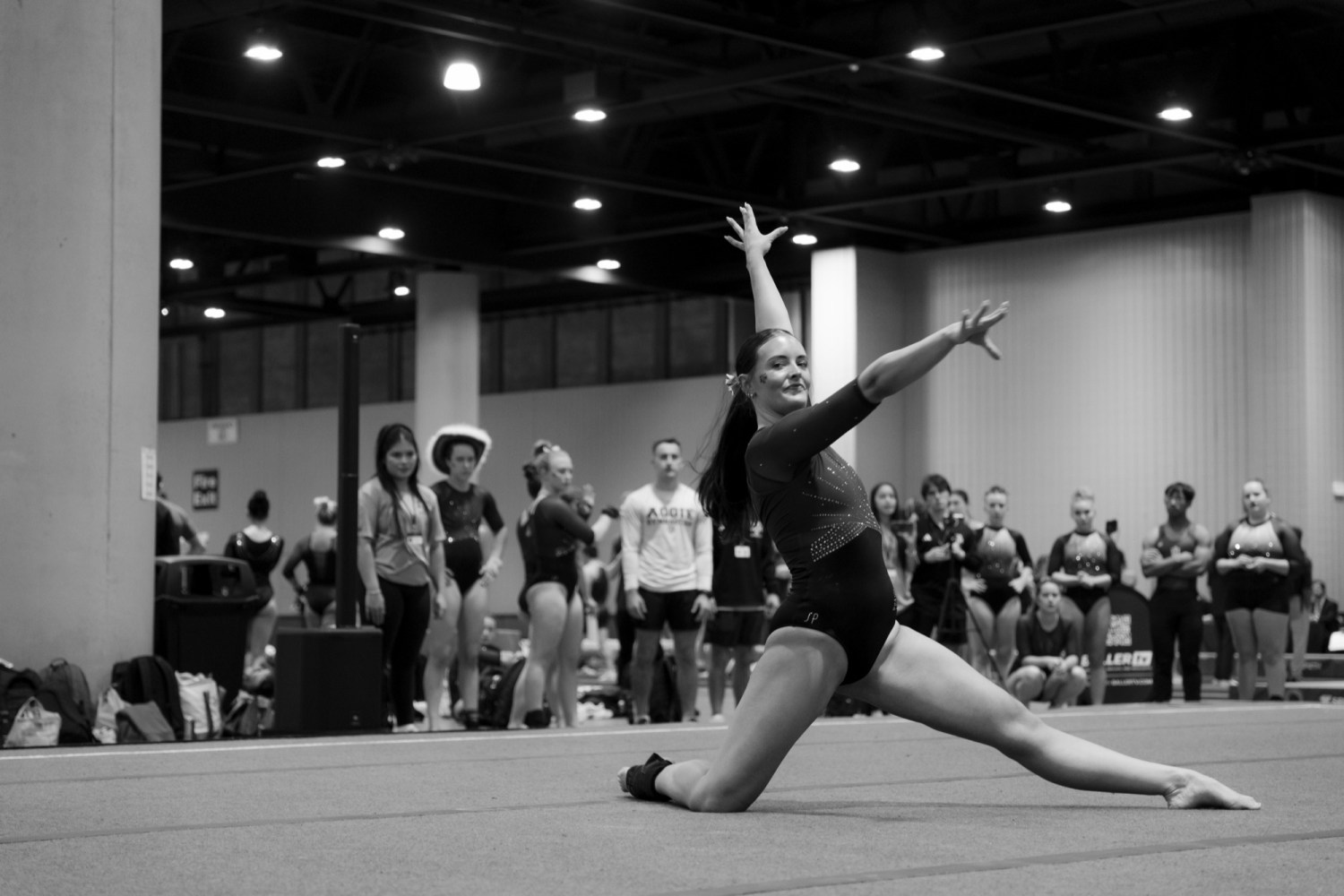
WAG · MAG · TNT · UAG
The disciplines.
-
Five levels of competition, from developmental to USAG Level 9.
-
Three levels, from developmental to NCAA level.
-
Beginner to advanced levels across all three disciplines: trampoline, double mini, and tumbling.
-
Pick and choose any mix of women’s and men’s events in a single competition.



Ready when you are.
Questions
FAQ.
What skill levels should I expect?
An enormous range — within the league and within clubs themselves. Some clubs are former varsity teams; others are brand new and finding their feet. Some athletes have never done gymnastics before; others trained and competed at an elite level. There’s room for all of it.
I don’t have much (or any) experience. Is that okay?
Yes. Part of our mission is making gymnastics accessible to everyone. All three disciplines have levels built for absolute beginners.
Do MAG and WAG teams compete at the same time?
Generally, yes — with a few exceptions, competitions are coed. Athletes of any gender identity can compete in any discipline.
Why can anyone compete in any discipline?
Cross-gender competition aligns with our core value of maximum opportunity. Gymnastics is one of the few sports that offers different opportunities based on gender, and we’re working to provide equal opportunity for all participants.
If the organization started as “intercollegiate,” why are adult community teams included?
When the organization was created, it only catered to collegiate clubs. As athletes graduated, they couldn’t find a venue for continuing the sport — so we stepped up to fill that need. That’s maximum opportunity in action.